Personalised Keepsakes · 5 min read
How to choose the words for a personalised keepsake you will reread for years
A short, careful guide to choosing the names, dates and lines that make a personalised keepsake feel timeless rather than sentimental.
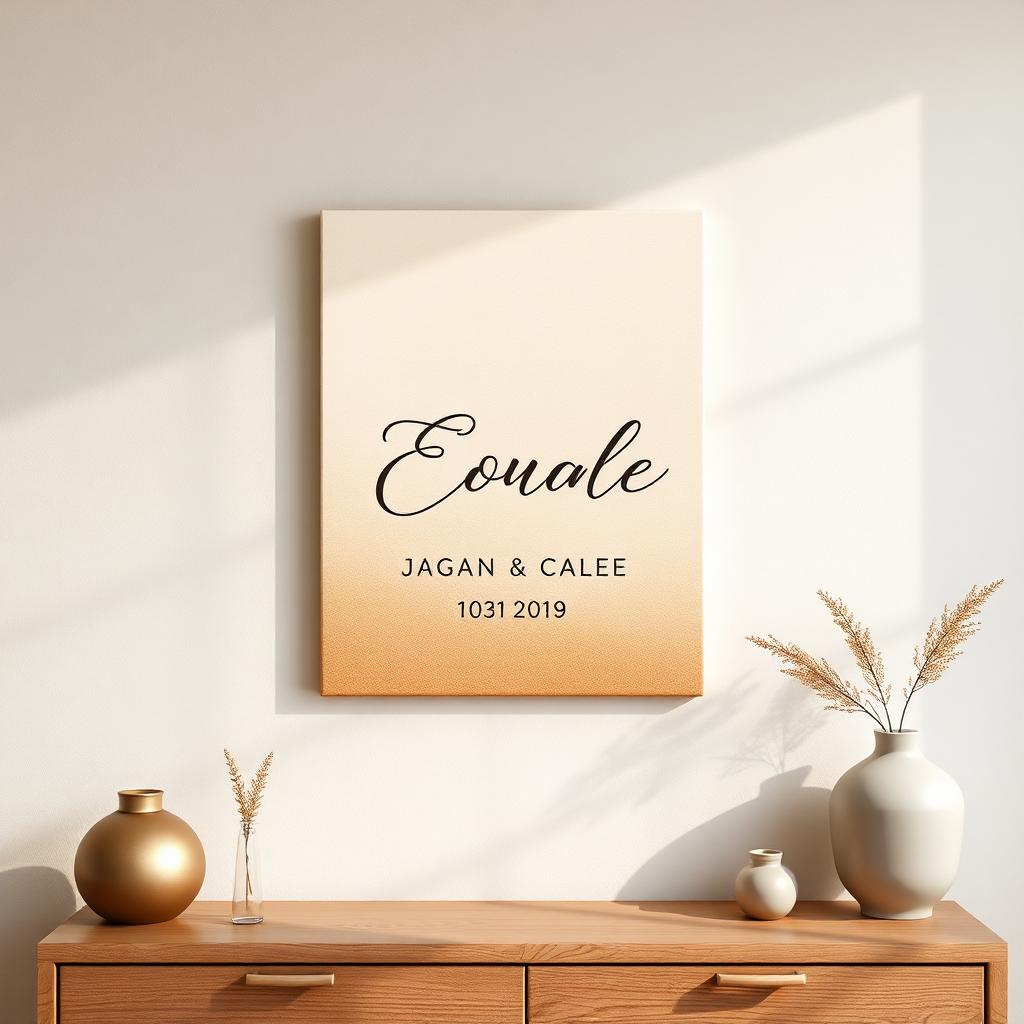
Keepsakes are read close-up, often for decades. The words you choose now will be the ones a future version of you, or someone you love, looks at on a Tuesday afternoon ten years from today. That is worth getting right.
Start with the smallest unit of meaning. A keepsake almost never needs a paragraph. A name, a date, three words. The constraint is the craft.
Write the long version first, then cut it in half. Then cut it in half again. Whatever is left is usually the version worth putting on the wall.
Be specific. 'Always' is a beautiful word, but 'always, especially Tuesdays' is the kind of line only the two of you understand - and the kind that ages best.
Avoid quotes everyone already knows. A line from a wedding reading is fine if it was actually read at your wedding; a famous quotation lifted from Pinterest will start to feel borrowed within a year.
Anchor it with a date. A keepsake without a date drifts. The date is what tells future readers - children, grandchildren, your own older self - when this moment belonged to.
Trust the typography. Our keepsake designs are built around restraint; let the words breathe rather than crowding the canvas with extra detail. Less almost always reads as more meaningful.
If you are commissioning a memorial keepsake and the wording feels too hard to land on your own, email our studio. We help with this kind of brief regularly and will gently suggest layout edits before production.
Every keepsake canvas is hand-finished on archival cotton in our UK studio, so the words you choose today are still legible - and still meaningful - long after the moment itself.